
“Sport Must Be Done With A Plan, Not In Isolation” — Nigeria’s National Institute For Sports (NIS) Director-General, Philip Shaibu
NIS Director-General Philip Shaibu Calls For Stronger Collaboration Among Nigeria’s Sports Agencies, Better Long-Term Planning And A Shift From Simply Building Facilities To Properly Maintaining And Using Them.
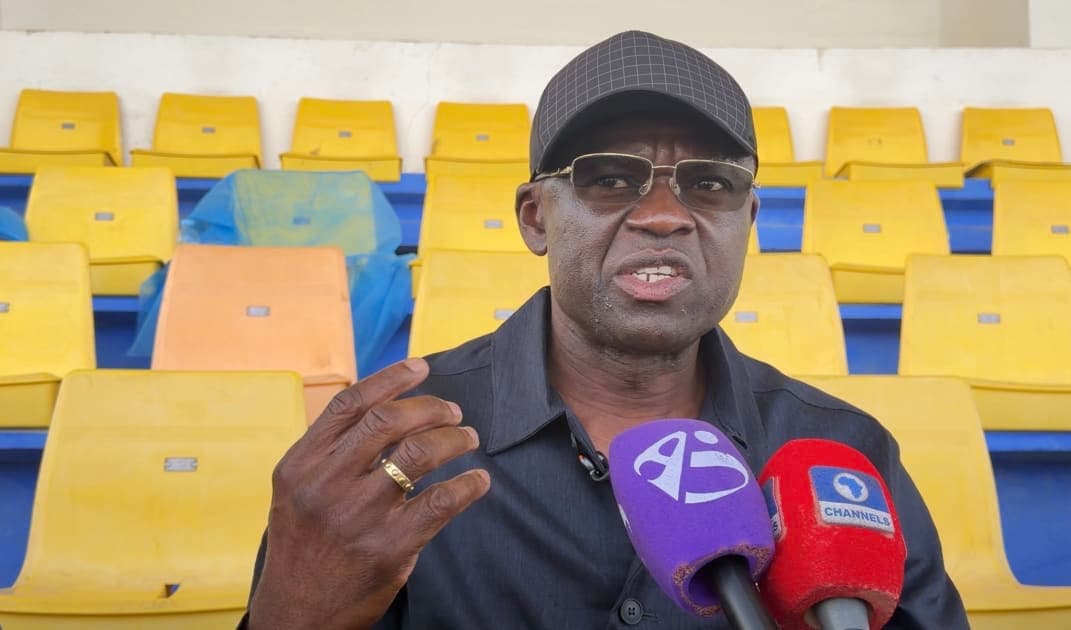
The Director-General and Chief Executive Officer of the National Institute for Sports (NIS), Philip Shaibu, has called for stronger collaboration among Nigeria’s major sports institutions, warning that the country cannot develop its sporting sector without a clear, coordinated and long-term strategy.
Shaibu made the call while discussing Nigeria’s sports development, infrastructure and the lessons from the ongoing growth of African football.
He said he had consistently advocated for closer collaboration between the NIS, National Sports Commission (NSC), Nigeria Football Federation (NFF) and other sporting federations.
“Sport Must Be Done With A Plan”
According to Shaibu, one of the major problems affecting Nigeria’s sports development is that key stakeholders are often not involved early enough in planning competitions and programmes.
He said the NIS is sometimes only informed when competitions are about to take place.
“Sport must be done with a plan and this plan must involve all stakeholders.”
Shaibu argued that all sports federations and relevant government agencies should be involved from the beginning of the planning process.
He identified the NSC, NIS and NFF as major institutions that must work together to establish a clear direction for Nigerian sports.
“We’ve Not Had Any Meeting On Strategy”
Shaibu expressed concern that there had not been sufficient strategic coordination among the major sports agencies.
“Since we came on board, we’ve not had any meeting on strategy, any meeting on the direction of sport.”
He said the NIS is currently working with its own 10-year plan, which is expected to involve relevant federations and the sports commission.
However, he questioned the absence of a clearly communicated national sports strategy that brings all the major stakeholders together.
For Shaibu, collaboration cannot simply happen when competitions are approaching. It must be built into the country's long-term sports planning.
A Call For The NSC Board
Shaibu also renewed his call for the constitution of the National Sports Commission's board.
He argued that a properly constituted board would help establish strategic direction and provide greater coordination across Nigeria's sports sector.
His position is consistent with previous calls for stronger synergy between the NSC and NIS. In May 2026, Shaibu publicly called for greater collaboration between the two institutions, saying there was insufficient coordination among the key bodies responsible for sports development.
“Maintenance Is More Critical Than Building Infrastructure”
One of the strongest points from Shaibu's remarks was his warning that Nigeria should not focus only on constructing new sporting facilities.
According to him, maintaining existing infrastructure is even more important.
“Building infrastructure is not the main thing. It's maintaining the infrastructure that is more critical than building it.”
Shaibu pointed to his experience in Edo State, where he said infrastructure planning was linked to the specific sporting strengths of different areas.
He also questioned what happened to facilities used during major sporting events in Nigeria.
“We hosted World Cup in Nigeria. Where are the facilities that we used in hosting the World Cup across the six geopolitical zones?”
His argument is that Nigeria must develop a culture of maintaining sports facilities instead of allowing them to deteriorate after major competitions.
Africa’s Football Landscape Has Changed
Shaibu also described the changing nature of African football as a warning to Nigeria.
He said African football has “come of age” and that the traditional size or reputation of a country is no longer enough to guarantee success.
His message was that Nigeria should expect more surprises in international sport.
“Size is not the issue. What is an issue is your plan.”
According to Shaibu, countries that want to compete at the highest level must have clear plans and benchmark themselves against what other nations are doing.
Nigeria’s Biggest Advantage: Talent
Despite the challenges facing Nigerian sports, Shaibu believes the country possesses one major advantage: an abundance of talent.
“We have talent in abundance.”
He described Nigeria's talent pool as a reservoir and a bank that can produce future champions if properly developed.
The challenge, he said, is creating the systems required to identify, nurture and retain that talent.
“How to now cultivate this bank of talent is what we now need to put in place.”
For Shaibu, talent alone is not enough. Nigeria needs infrastructure, competitions, coaching, development pathways and long-term planning to turn potential into sustained international success.
Infrastructure Must Have A Purpose
Shaibu also shared an example from his time in Edo State, where sports infrastructure planning was based on the competitive strengths of different parts of the state.
Instead of simply building facilities without a clear purpose, he said the authorities identified the sports in which different senatorial districts had advantages.
The infrastructure was then planned around those strengths.
He argued that every facility should have regular activity around it.
“If You Build Infrastructure And There Is No Activity, It Will Crack”
Shaibu stressed that sports facilities need consistent use if they are to remain sustainable.
He explained that Edo State's approach was to connect infrastructure with schools, competitions and leagues.
The objective was to ensure that facilities remained active throughout the year while creating opportunities to identify new talent.
“If you build 100 infrastructure and there's no activity, just like you're building a house you're not living in it, it cracks.”
This, he said, is why maintenance and programming must be considered alongside infrastructure development.
Schools Must Be Part Of The System
Shaibu believes schools should play a central role in Nigeria's sports development strategy.
He explained that in Edo State, the plan was designed to involve primary and secondary schools in sporting activities, ensuring that facilities were consistently used and that young athletes had opportunities to compete.
According to him, this creates a continuous pathway:
Schools → Competitions → Talent Identification → Development → State Champions → National Champions
Such a system, he argued, can help Nigeria discover and develop talent instead of waiting until athletes emerge at elite competitions.
A Long-Term Approach To Nigerian Sports
Shaibu's message ultimately goes beyond football.
His argument is that Nigeria needs to move away from competition-by-competition planning and establish a coordinated national sports development system.
That system, he believes, should bring together government agencies, sports federations, schools, coaches, athletes and other stakeholders.
Nigeria already has a significant talent base. The challenge is building the structures capable of turning that talent into consistent international success.
For Shaibu, the formula is straightforward: plan properly, collaborate, build strategically, maintain infrastructure and create regular competitions.
Without those elements, he warned, Nigeria risks continuing to have the talent to succeed without having the system required to consistently turn that talent into results.
Enjoyed this story?
Reporting like this is funded by readers. A one-off gift keeps it coming.
Keep reading
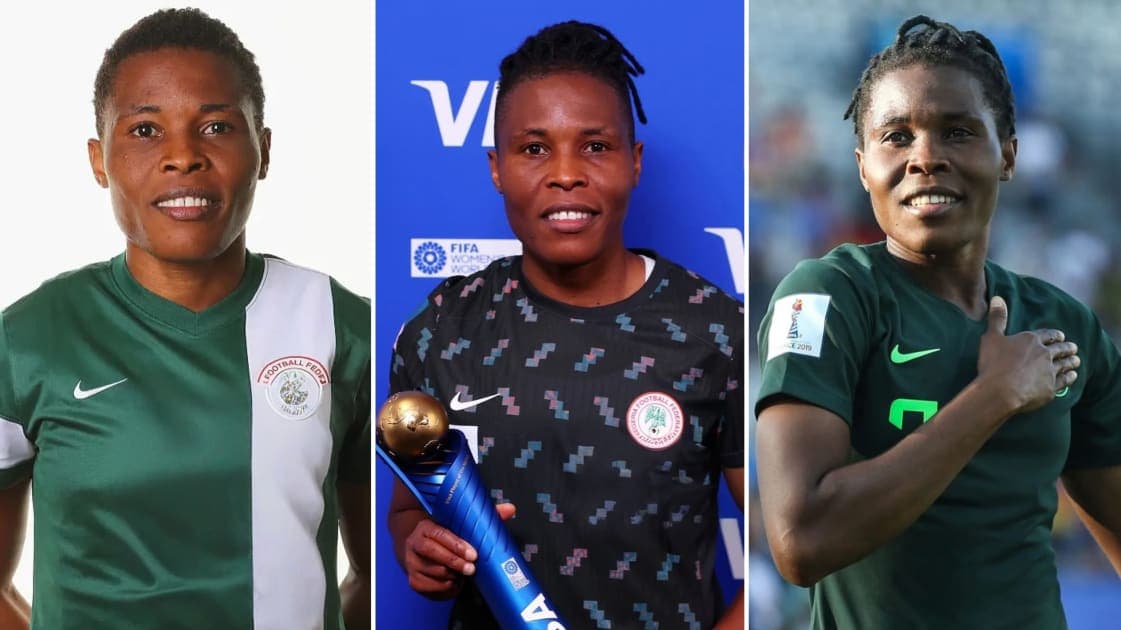
Osinachi Ohale Retires from International Football After 16 Years of Service to Nigeria
Super Falcons defender Osinachi Ohale has announced her retirement from international football after 16 years, 86 caps, four FIFA Women’s World Cups and five WAFCON titles.

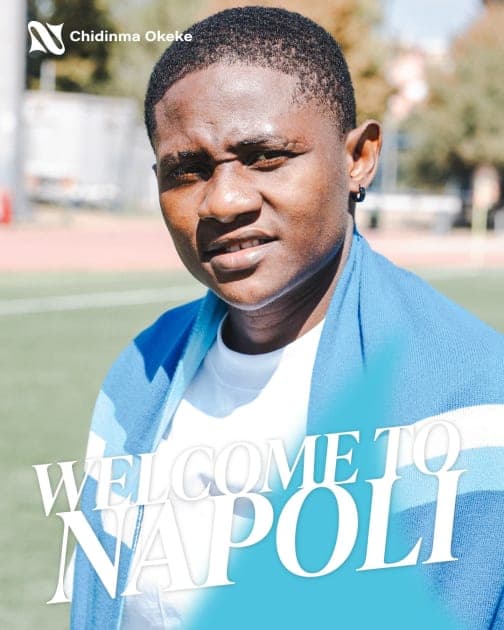
Super Falcons Defender Chidinma Okeke Joins Napoli Femminile
Super Falcons defender Chidinma Okeke has joined Italian Serie A club Napoli Femminile on a permanent transfer from Mexican side Club América. The 26-year-old Nigerian international brings extensive global experience to Naples after winning the Liga MX Femenil title and CONCACAF W Champions Cup with Club América.

Deborah Abiodun Opens Up Ahead of First-Ever Surgery: “Football Is My Life”
Nigeria international Deborah Abiodun has opened up ahead of her first-ever surgery, revealing her fears about missing football, international matches and club action after a hip injury ended her 2026 NWSL season.