
Nigeria D’Tigress Lose 99-81 to South Korea in 2026 FIBA Women’s World Cup Opener
D’Tigress stayed within three points of South Korea at halftime but were unable to contain Korea’s three-point shooting in an 18-point defeat in Berlin.
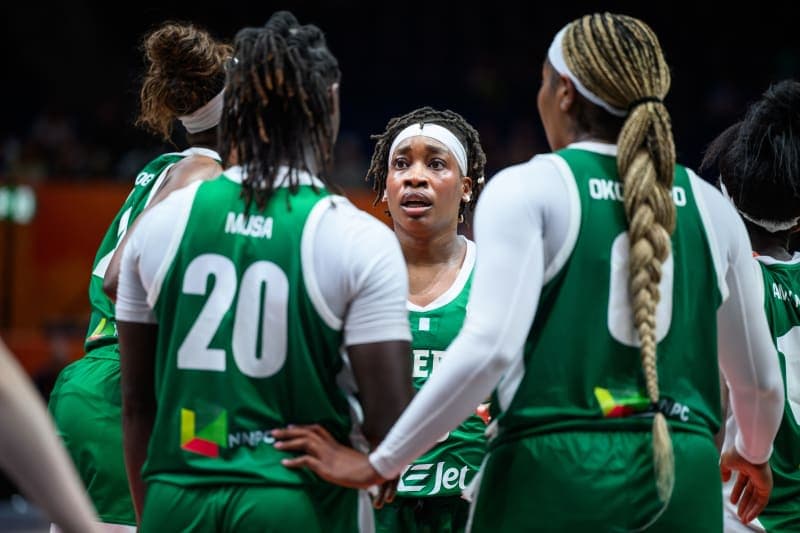
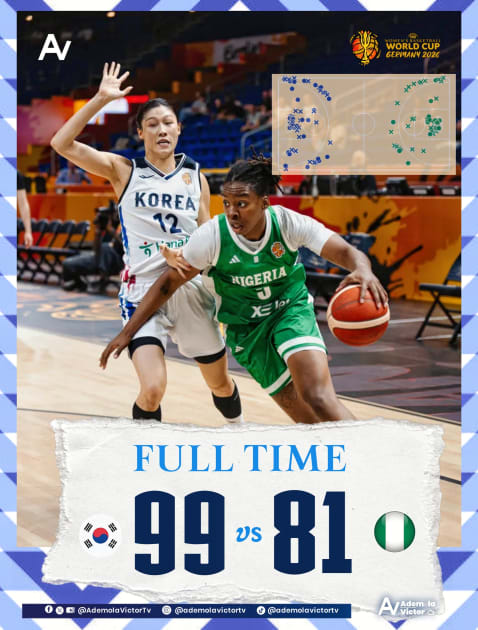
Nigeria’s D’Tigress began their 2026 FIBA Women’s Basketball World Cup campaign with an 81–99 defeat to South Korea in Berlin, Germany.
The Group B encounter was competitive for much of the first half, with Nigeria trailing by only three points at halftime. However, South Korea increased the pressure after the break and eventually pulled away to secure an 18-point victory.
Quarter Scores
🇰🇷 KOR — 26 | 22 | 20 | 31 | 99
🇳🇬 NGR — 22 | 23 | 17 | 19 | 81
South Korea took a 26–22 lead after the first quarter, but Nigeria responded well in the second period.
D’Tigress outscored Korea 23–22 in the second quarter, reducing the deficit slightly but still going into halftime behind 48–45.
The third quarter remained relatively close, with Korea winning it 20–17.
The biggest separation came in the final period. South Korea scored 31 points in the fourth quarter, while Nigeria managed 19, allowing Korea to finish with an 18-point victory.
Overall, South Korea outscored Nigeria 51–36 in the second half.
South Korea’s Three-Point Shooting Proves Decisive
Nigeria’s shooting numbers tell an interesting story.
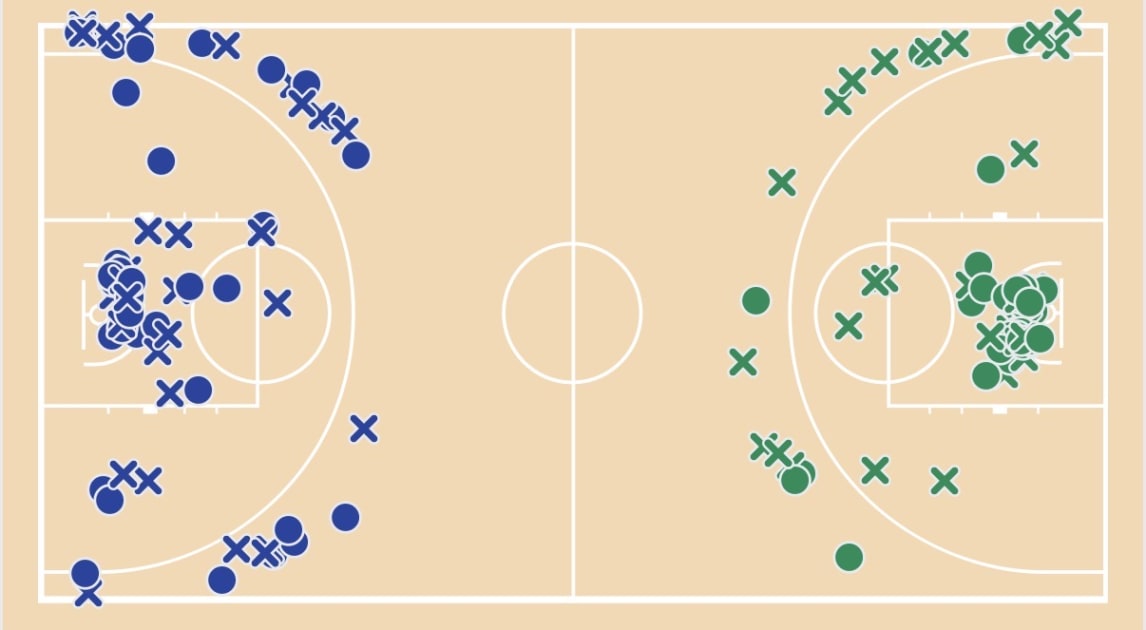
D’Tigress shot 50% from the field, making 33 of their 66 attempts. South Korea shot 52%, converting 36 of 69 attempts.
Nigeria was actually more accurate when shooting for two points, making 27 of 46 attempts (59%), compared with South Korea’s 22 of 41 (54%).
The major difference was three-point shooting.
Shooting Statistics
🇰🇷 KOR — FG 36/69 (52%) | 2PT 22/41 (54%) | 3PT 14/28 (50%) | FT 13/18 (72%)
🇳🇬 NGR — FG 33/66 (50%) | 2PT 27/46 (59%) | 3PT 6/20 (30%) | FT 9/12 (75%)
In simple terms, South Korea made 14 three-pointers, while Nigeria made only six.
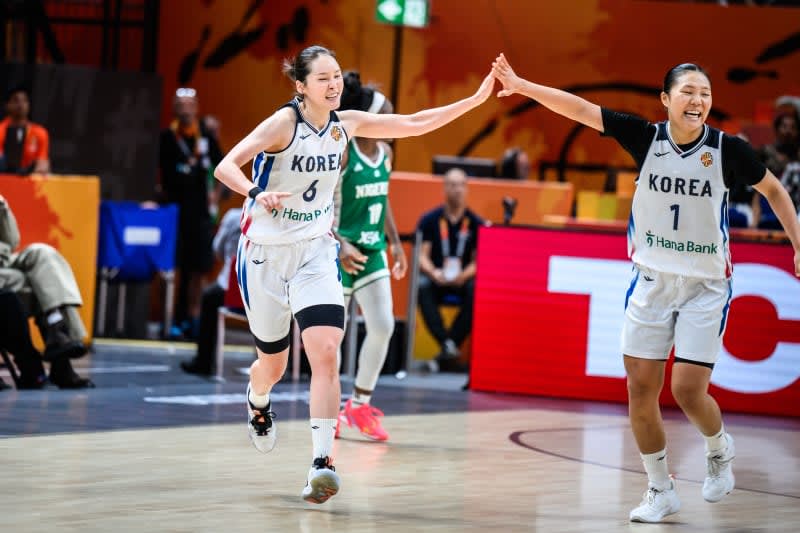
That meant Korea scored 42 points from three-point shots, compared with Nigeria’s 18 — a difference of 24 points from beyond the arc.
So while Nigeria was efficient on its two-point attempts, South Korea’s ability to consistently score from long range gave them a major advantage.
Amy Okonkwo Leads Nigeria
Amy Okonkwo was Nigeria’s leading scorer, finishing with 22 points.
She shot 8-of-15 from the field and was particularly effective from three-point range, making 4 of 8 attempts.
Her overall contribution included:
🇳🇬 Amy Okonkwo — 22 points | 7 rebounds | 3 assists | 1 steal
Okonkwo accounted for four of Nigeria’s six made three-pointers and finished with an efficiency rating of 24.
Her performance was one of the positives Nigeria can take from the defeat.
Jihyun Park Leads South Korea
South Korea’s standout performer was Jihyun Park, who led all scorers with 27 points.
Park also made a significant impact defensively, recording six steals, while contributing six rebounds and two assists.
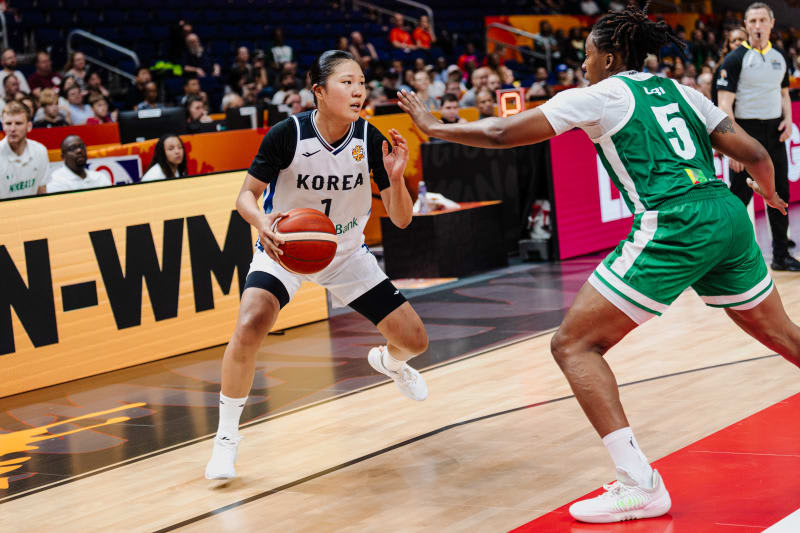
🇰🇷 Jihyun Park — 27 points | 6 rebounds | 2 assists | 6 steals
She shot 7-of-15 from the field and made three three-pointers. She was also extremely effective from the free-throw line, converting 10 of 11 attempts.
Park finished with an efficiency rating of 31, the highest among the highlighted players.
Leeseul Kang Adds 20 Points and Seven Assists
Leeseul Kang was another major contributor to South Korea’s victory.
Kang scored 20 points, but her biggest impact came from her combination of scoring and playmaking.
🇰🇷 Leeseul Kang — 20 points | 5 rebounds | 7 assists | 2 steals
She made 6 of 11 three-point attempts, accounting for 18 of her 20 points from long range.
Kang also recorded seven assists, helping South Korea create scoring opportunities for her teammates.
Her efficiency rating was 26.
Heo’s Six Assists
Yeeun Heo had a quieter scoring night but played an important role in South Korea’s offence.
She scored two points but finished with six assists, helping move the ball and create opportunities for Korea’s scorers.
🇰🇷 Yeeun Heo — 2 points | 6 assists
Her performance was another example of South Korea getting important contributions beyond its leading scorers.
What Decided the Game?
The final score might suggest a comfortable South Korean victory, but the game was much closer during the first half.
Nigeria was only three points behind at halftime, and D’Tigress actually shot well overall.
The biggest difference was South Korea’s ability to convert from three-point range. 23 turnovers also proved costly as South Korea pulled away in the second half to beat D’Tigress 99–81 in their World Cup opener.
Korea made eight more three-pointers than Nigeria:
🇰🇷 South Korea — 14 made three-pointers
🇳🇬 Nigeria — 6 made three-pointers
That produced a 24-point advantage from three-point range.
Nigeria’s 59% shooting on two-point attempts shows that D’Tigress were capable of scoring efficiently inside the arc. However, Korea’s 50% shooting from three-point range gave them another reliable scoring route.
South Korea also finished the game much stronger, winning the fourth quarter 31–19.
Standout Players
🇰🇷 Jihyun Park — 27 points | 6 rebounds | 2 assists | 6 steals
🇰🇷 Leeseul Kang — 20 points | 5 rebounds | 7 assists | 2 steals
🇳🇬 Amy Okonkwo — 22 points | 7 rebounds | 3 assists | 1 steal
D’Tigress Must Bounce Back Against Hungary
Nigeria will have little time to recover from the opening defeat.
D’Tigress face Hungary on September 5, before meeting France on September 7 in their remaining Group B games.
The opening defeat is not the end of Nigeria’s campaign, but the team will need to respond quickly.
Against South Korea, Nigeria showed that it could shoot efficiently inside the arc and remain competitive through the first half. The challenge now is to produce that level of efficiency across all areas of the game while limiting opponents’ opportunities from three-point range.
For South Korea, the formula was clear: efficient perimeter shooting, strong playmaking and a dominant finish.
For D’Tigress, Amy Okonkwo’s 22 points were a major positive, but South Korea’s 14 three-pointers compared with Nigeria’s six ultimately proved decisive.
Final Score: 🇰🇷 South Korea 99–81 Nigeria 🇳🇬
Enjoyed this story?
Reporting like this is funded by readers. A one-off gift keeps it coming.
Keep reading
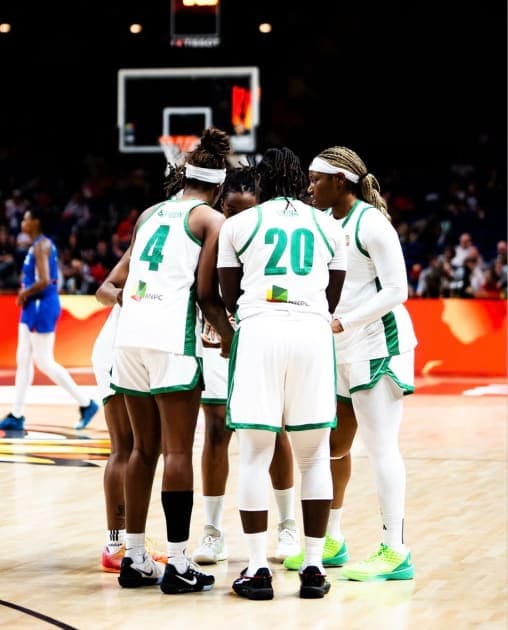
D’Tigress Thank Tinubu As Presidential Financial Rewards Hit Players’ Accounts
D’Tigress players and officials have received President Bola Tinubu’s outstanding financial rewards following their historic 2025 FIBA Women’s AfroBasket triumph, with players receiving the naira equivalent of $100,000 each.
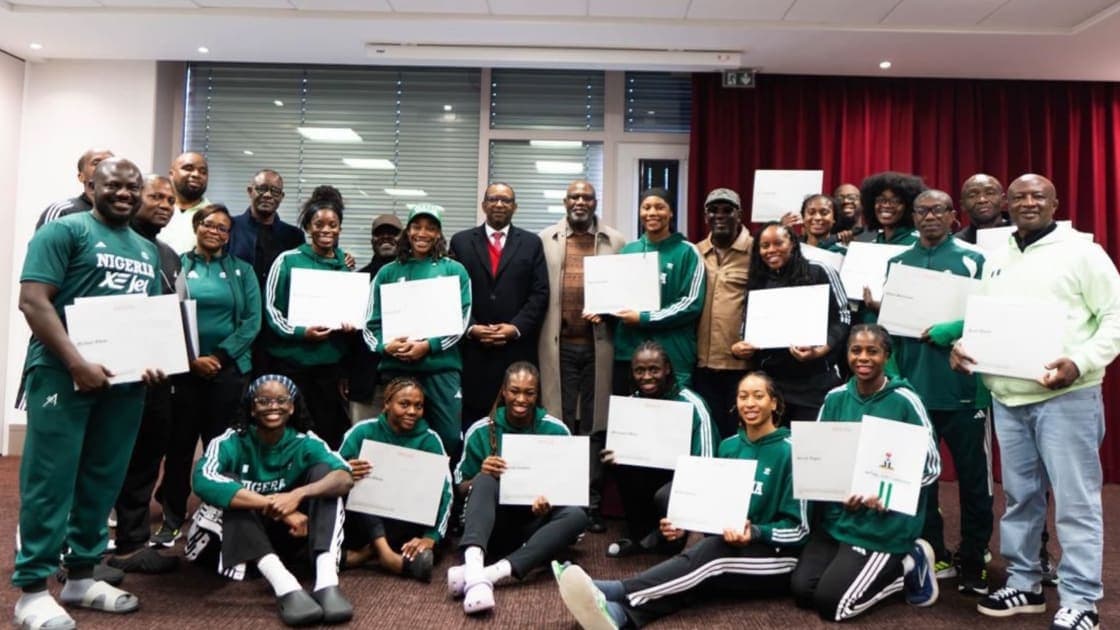
D’Tigress Players Receive $100,000 Presidential Cash Reward, NSC Confirms
The National Sports Commission has confirmed that the naira equivalent of $100,000 was paid to each D’Tigresses player and $50,000 to team officials on 9 September 2026, completing the cash part of President Tinubu’s reward for their fifth consecutive AfroBasket title.

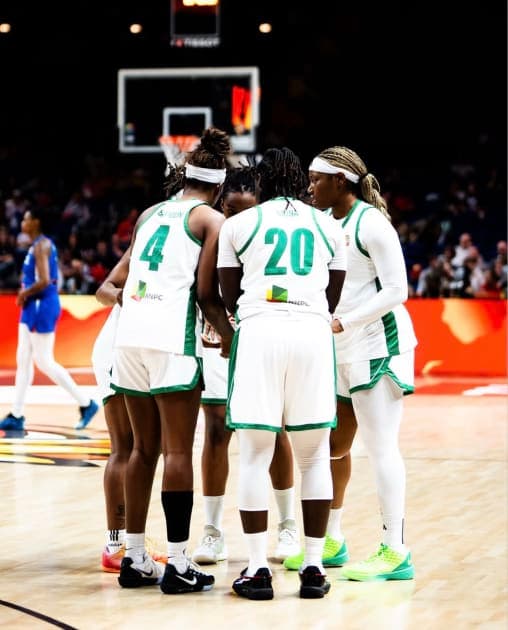
FIBA Confirms Dates for 2027 Women’s AfroBasket
SEO Summary: FIBA has confirmed July 23 to August 1, 2027, as the dates for the Women’s AfroBasket, with Nigeria’s D’Tigress set to defend their continental title.