
Aisha Falode: “Women’s Football In Africa Is NOT A Walk In The Park Anymore”
Aisha Falode Says The Rise Of Malawi, Algeria And Cameroon Shows That African Women’s Football Has Become More Competitive, While Urging The Super Falcons To Stay Focused On World Cup Qualification.
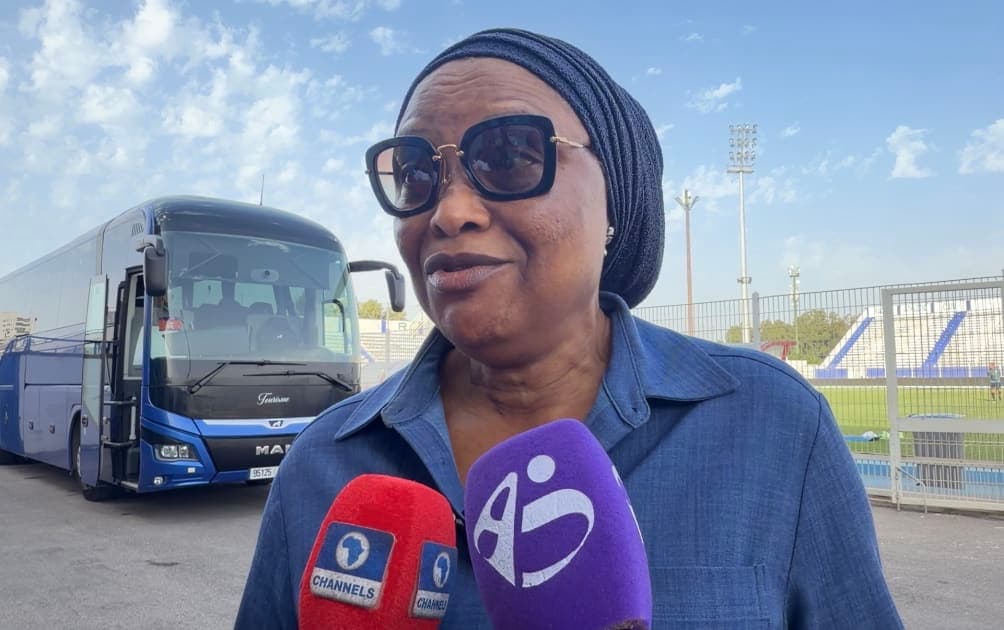
Aisha Falode has called attention to the rapid growth of women’s football across Africa, insisting that the continent’s leading teams can no longer expect to dominate simply because of their history and reputation.
Speaking after the Super Falcons’ disappointing WAFCON 2026 quarter-final exit, Falode said the results in Morocco demonstrate how much African women’s football has changed.
“Women’s football in Africa is not a walk in the park anymore,” Falode said.
Her comments came after several established African powers failed to reach the semi-finals, while teams such as Malawi, Algeria and Cameroon progressed deep into the competition.
Africa’s Women’s Football Landscape Is Changing
According to Falode, the emergence of new contenders shows that countries across the continent are investing more seriously in the women’s game.
She argued that any team seeking success at the highest level must now invest consistently, improve its structures, retrain players and compete against quality opposition.
“Any team that wants to achieve any semblance of commendable result now really has to work for it,” she said.
Falode also pointed to the increasing number of African players competing in major leagues around the world as one of the factors contributing to the continent’s development.
Many African players are now gaining experience in some of the biggest women's leagues globally, bringing that experience back to their national teams.
Nigeria’s Dominance Can No Longer Be Taken For Granted
Nigeria remain the most successful nation in WAFCON history, with 10 titles to their name.
Falode believes that record will be difficult for any country to surpass, but she also warned that Nigeria cannot rely on its historical dominance.
She said expectations that Nigeria or any other traditional powerhouse should continuously dominate African football fail to recognise the progress being made by other nations.
The 2026 tournament has provided perhaps the clearest evidence of that changing landscape, with several teams that reached the latter stages of previous tournaments falling earlier than expected.
“We Must Qualify For The World Cup”
Despite Nigeria’s WAFCON disappointment, Falode stressed that the Super Falcons still have an important objective ahead of them.
Nigeria are pursuing qualification for the FIFA Women’s World Cup and face South Africa in a crucial play-off.
Falode described qualification as non-negotiable.
“We’ve been to every World Cup and this one in Brazil, we must,” she said.
The former NFF executive also expressed confidence in the mentality of the Super Falcons, describing them as professional players who understand what it means to overcome difficult situations.
She believes the team must now put the Cameroon defeat behind them and focus entirely on the opportunity that remains.
“We Want It More Than South Africa”
Falode also backed Nigeria ahead of the crucial encounter with South Africa.
She acknowledged the difficult history between the Super Falcons and Banyana Banyana but insisted that Nigeria would be ready for the challenge.
“At this point I can say we want it more than South Africa,” she said.
According to Falode, the Super Falcons understand the significance of the match and are prepared to give everything to secure the desired result.
Women’s Football Is Becoming Big Business
Beyond the Super Falcons, Falode believes the growth of women's football represents a major commercial opportunity.
She pointed to the expansion of women's international competitions, increased investment and the growing commercial and broadcast potential of the women's game.
“Women’s football is really where the money is now,” she said.
Falode argued that the women's game deserves greater investment and equal opportunities, particularly as its global audience continues to grow.
She also noted that women's football is increasingly being played at a high level, with quality pitches, strong crowds and competitive tournaments contributing to a better overall product for fans and commercial partners.
“The Future Is Now”
Falode believes the long-standing description of women's football as “the future” is now outdated.
“We used to say women’s football is the future, but now the future is upon us. It is now.”
The rapid development of the women's game across Africa, combined with increased global investment and the growing number of African players competing internationally, suggests that the continent's women's football landscape is entering a new era.
For Nigeria, however, the challenge is to ensure that its historic success is matched by continued investment and development.
A Call For Support
Falode also appealed to Nigerian supporters to remain behind the Super Falcons despite the disappointment of the WAFCON exit.
She acknowledged that Nigerians are passionate about football and have every right to expect strong performances, but urged supporters to manage their emotions after disappointing results.
“There are going to be good days, there are going to be bad days. That’s what this game is about,” she said.
Her message was simple: support the players as they attempt to respond to disappointment and secure the bigger prize still available.
With the WAFCON title now out of reach, the Super Falcons' immediate focus is the World Cup qualification battle.
And for Falode, the message from Morocco is clear: African women’s football has changed, Nigeria can no longer take dominance for granted, and the road to continued success now requires greater investment, preparation and consistency.
Enjoyed this story?
Reporting like this is funded by readers. A one-off gift keeps it coming.
Keep reading
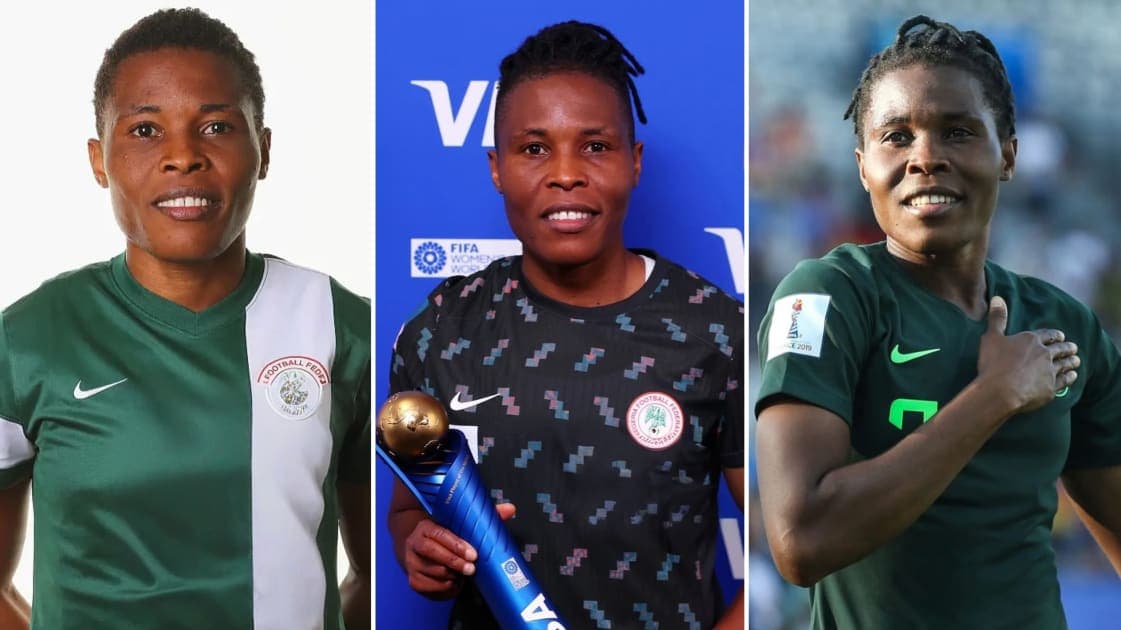
Osinachi Ohale Retires from International Football After 16 Years of Service to Nigeria
Super Falcons defender Osinachi Ohale has announced her retirement from international football after 16 years, 86 caps, four FIFA Women’s World Cups and five WAFCON titles.

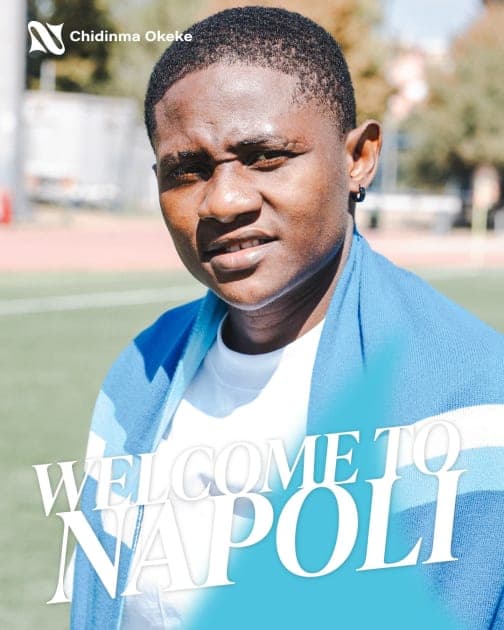
Super Falcons Defender Chidinma Okeke Joins Napoli Femminile
Super Falcons defender Chidinma Okeke has joined Italian Serie A club Napoli Femminile on a permanent transfer from Mexican side Club América. The 26-year-old Nigerian international brings extensive global experience to Naples after winning the Liga MX Femenil title and CONCACAF W Champions Cup with Club América.

Deborah Abiodun Opens Up Ahead of First-Ever Surgery: “Football Is My Life”
Nigeria international Deborah Abiodun has opened up ahead of her first-ever surgery, revealing her fears about missing football, international matches and club action after a hip injury ended her 2026 NWSL season.