
President Tinubu Directs Comprehensive Football Reform in Nigeria
Tinubu Orders Comprehensive Nigerian Football Reform
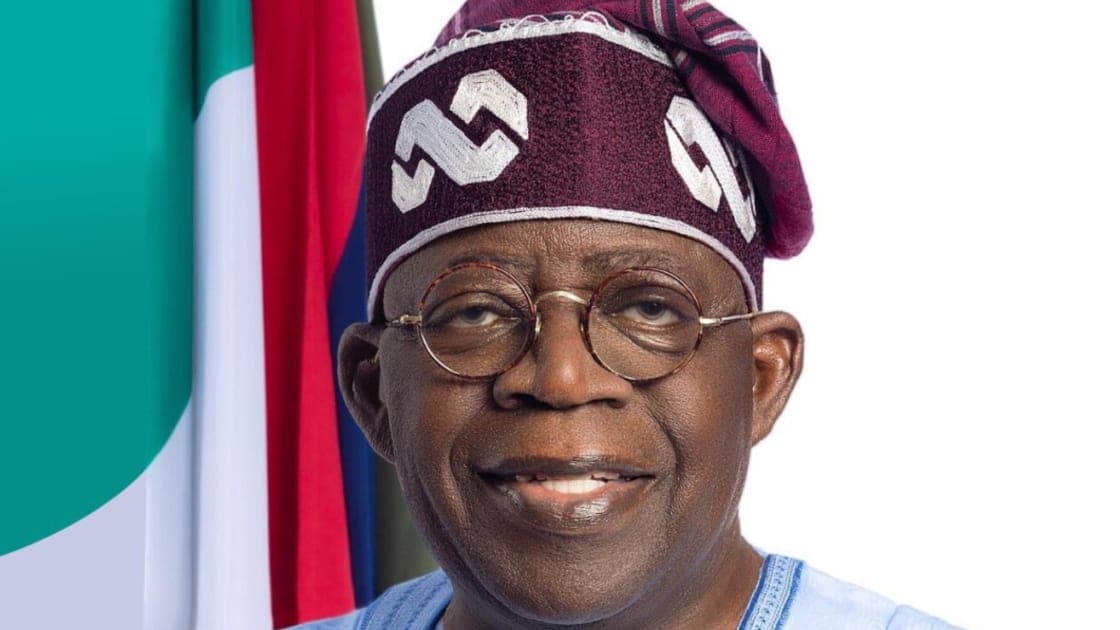
Tinubu’s Football Reform Must Go Beyond the NFF and National Teams
President Bola Tinubu’s decision to direct a comprehensive reform of Nigerian football is a welcome development, particularly at a time when the country’s football system is facing serious questions about governance, administration, development and performance.
In a statement issued on Thursday, August 27, the President said the reform must address “a longstanding need to strengthen governance, administration, stakeholder representation, development pathways, domestic competitions and accountability across Nigerian football.”
That is an important starting point.
President Tinubu also acknowledged that while other sports have recorded progress following the reset of Nigeria’s sports sector under the re-established National Sports Commission, football has continued to struggle because of what he described as “structural deficits within the system.”
“Football, Nigeria’s most popular sport and the greatest beneficiary of public support, investment and national attention, has continued to struggle basically due to structural deficits within the system,” the President said.
He directed the Chairman of the National Sports Commission to work with the NFF Secretariat and relevant football stakeholders to ensure continuity in essential football administration and facilitate a broad, consultative reform process, including appropriate engagement with FIFA and CAF.
That intervention deserves respect. But if the reform is going to be genuinely comprehensive, the conversation must go beyond who occupies the offices in Abuja.
My Opinion: Start With School Sports
Nigeria’s football problem does not begin with the Super Eagles.
It begins much earlier.
For decades, schools served as an important part of Nigeria’s sporting ecosystem. School competitions provided opportunities for young athletes to be discovered, developed and exposed to competitive sport.
That system has weakened considerably.
A serious football reform should therefore include a deliberate strategy to rebuild school sports and reconnect it to the broader football development pathway.
Primary and secondary schools should have functioning competitions. Talented players should be identified early. Universities and other institutions should have stronger competitive structures. There should be clearer pathways from school football to academies, clubs and professional football.
If we wait until a player is 17, 18 or 20 before we begin asking where our next generation of footballers will come from, we are already late.
Facilities Are Part of Football Development
Talent cannot develop properly without facilities.
Nigeria has sports facilities across the country, but the bigger question is not simply how many facilities we have. It is how many are functional, accessible, properly maintained and professionally managed.
A football reform agenda should therefore include a national audit of sporting facilities.
Which stadiums can currently host professional football? Which can host CAF competitions? Which can meet FIFA standards? Which require renovation? Which are effectively abandoned? Who manages them? How are they maintained?
Building new stadiums without solving the management and maintenance problem would simply reproduce the cycle.
Nigeria needs facilities that are available to schools, grassroots clubs, academies, women’s football and professional clubs—not infrastructure that only becomes active when a major national-team match is approaching.
Then Fix the Domestic League
The national teams cannot permanently carry Nigerian football.
A strong football country needs a strong domestic football ecosystem.
The NPFL and other domestic competitions need to become commercially viable, professionally administered and attractive to supporters.
Clubs need better governance, stronger financial structures, quality facilities, improved match-day experiences and credible competitions.
Most importantly, Nigerian football needs to rebuild its local fan culture.
We should want Nigerians to attend league matches because they support their clubs—not because the Super Eagles are playing.
Stadiums should become places where families, students, young people and communities regularly gather to watch their clubs. Local rivalries should mean something. Clubs should have identities, histories and supporters who feel emotionally invested in them.
You cannot build a sustainable football industry if the biggest football crowds in the country are almost exclusively reserved for the national teams.
Build a Football Pathway, Not Isolated Programmes
The President’s reference to “development pathways” is particularly important.
There should be a clear pathway:
School → grassroots → academy/club → domestic league → national youth teams → senior national team → international football.
At present, too many parts of this ecosystem operate almost independently.
A comprehensive reform should connect them.
It should also give women’s football the same seriousness in terms of infrastructure, competitions, talent development and professional opportunities. Nigeria cannot claim to be reforming football while treating half of its football population as an afterthought.
Governance and Accountability Still Matter
Of course, governance remains central to the reform.
The President specifically mentioned stronger governance, administration, stakeholder representation and accountability. Those words must translate into measurable reforms.
Stakeholder representation should not simply mean bringing together the same football administrators who have always been involved.
Players, coaches, referees, clubs, women’s football representatives, state football associations, grassroots developers, former internationals, supporters and other relevant stakeholders should have meaningful input.
And accountability must be more than a word in a policy document.
There should be clear responsibilities, timelines, performance indicators and public reporting.
If an institution or individual is given responsibility for delivering a reform, Nigerians should be able to determine whether that responsibility was fulfilled.
The Real Test Is What Happens Next
President Tinubu has opened the door to a potentially important conversation about the future of Nigerian football.
The challenge now is to ensure that the process does not become another committee, another report or another political announcement that disappears after the immediate crisis has passed.
Nigeria does not simply need a new set of football administrators.
It needs a better football system.
A system that develops children in schools, provides facilities where they can train and compete, produces professionally run clubs, supports a competitive domestic league, fills stadiums with passionate local supporters and ultimately gives the national teams a stronger foundation to succeed.
The President’s words are a welcome starting point.
But the real question is no longer whether Nigerian football needs reform.
It does.
The question is whether we are finally prepared to reform the entire ecosystem, not just the people sitting in Abuja.
Enjoyed this story?
Reporting like this is funded by readers. A one-off gift keeps it coming.
Keep reading
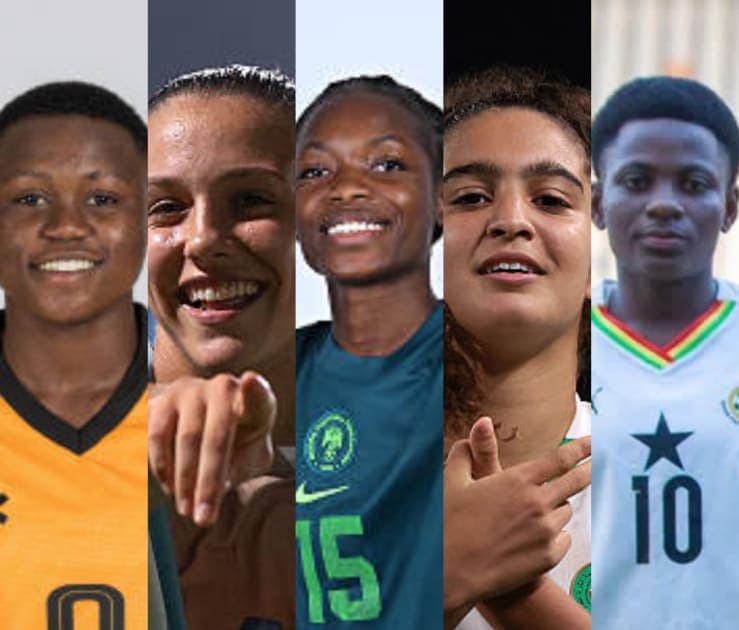
FIFA U-17 Women’s World Cup 2026: Complete Squad Lists for All 24 Teams
All 24 official squads for the FIFA U-17 Women’s World Cup Morocco 2026 in one place. Nigeria’s Flamingos squad is fully listed with jersey numbers. Complete squad lists for every team at the 2026 FIFA U-17 Women’s World Cup, including positions, numbers and head coaches. Nigeria Flamingos full squad for the FIFA U-17 Women’s World Cup 2026, plus all other teams’ official line-ups.

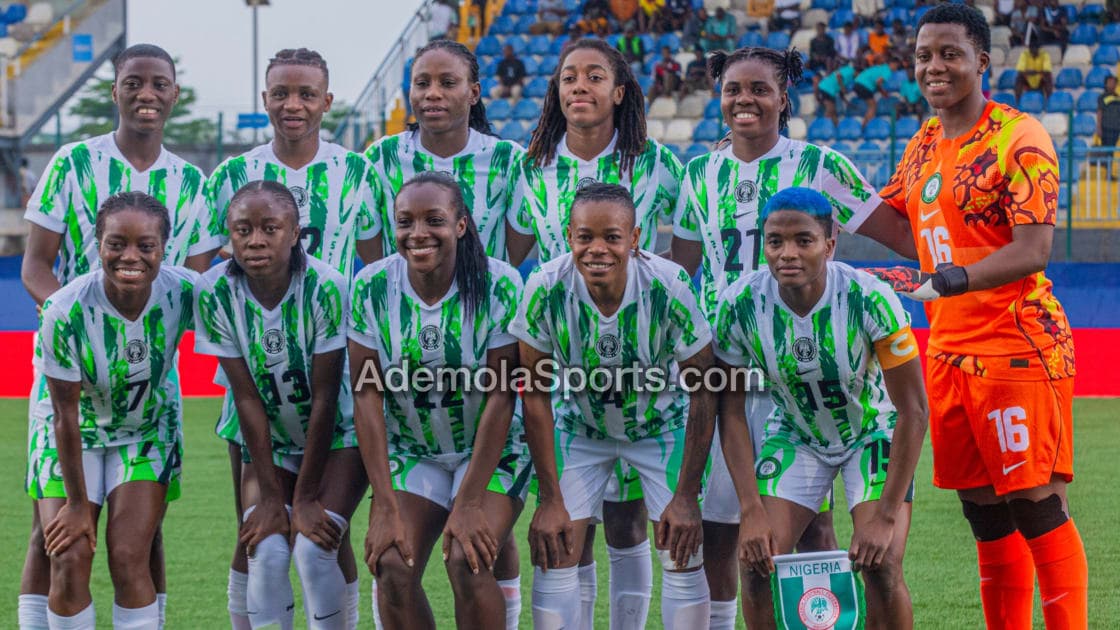
Super Falcons Beat Comoros 7-0 on Aggregate, Set Up Morocco Clash in LA 2028 Olympic Qualifiers
The Super Falcons advanced to the next round of the 2028 Olympic qualifiers with a 7-0 aggregate win over Comoros. Nigeria will face Morocco in the next round, scheduled for 23 February to 6 March 2027.
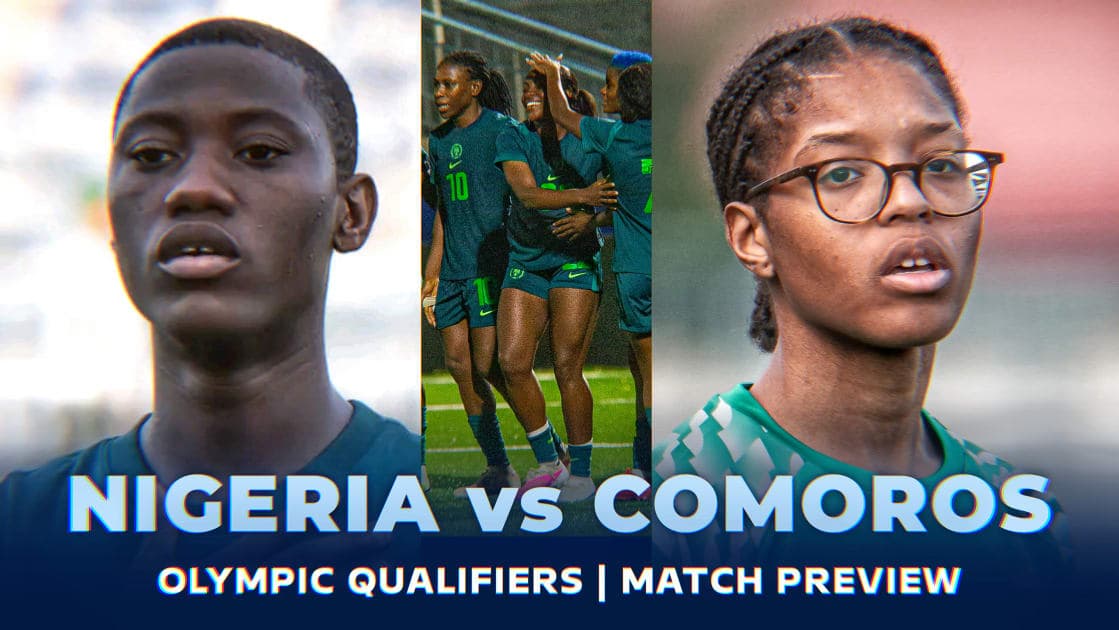
Nigeria vs Comoros (2nd Leg): Super Falcons 2028 Olympics Qualifiers Preview, Kick-off Time & How to Watch Live
The Super Falcons face Comoros in the second leg of their 2028 CAF Women’s Olympic qualifying second-round tie on Tuesday, 13 October, at Remo Stars Stadium in Ikenne. After winning the first leg 2-0 through goals from Michelle Alozie and Uchenna Kanu, Nigeria need to protect their advantage and secure progression to the next round.