
Ibrahim Gusau, NFF Executive Committee and General Secretary Mohammed Sanusi Resign
Ibrahim Gusau, NFF Executive Committee members and General Secretary Mohammed Sanusi resign amid national-team setbacks and calls for reform, just 34 days before the end of Gusau’s tenure.
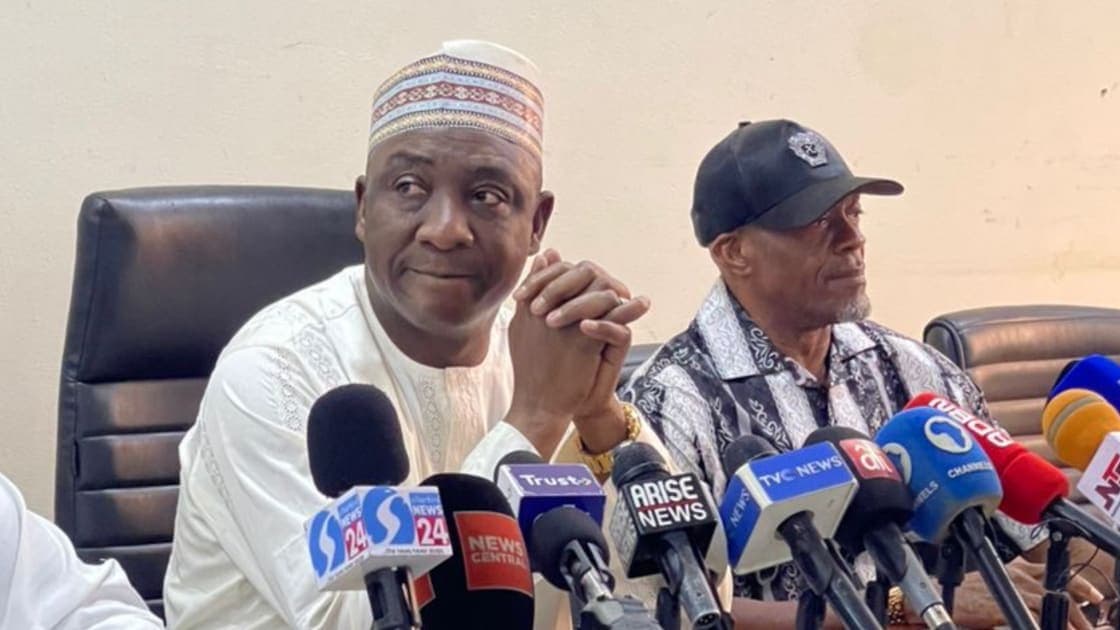
The President of the Nigeria Football Federation (NFF), Alhaji Ibrahim Musa Gusau, MON, has resigned from office alongside the federation’s Executive Committee members and General Secretary, Dr Mohammed Sanusi, MON.
The NFF confirmed the mass resignation on Thursday, August 27, in a major development that has significantly altered the leadership structure of Nigerian football just weeks before the federation’s scheduled election.
According to the NFF Communications Department, Gusau and Sanusi formally resigned their positions, while all members of the NFF Executive Committee also stepped down.
Gusau’s resignation comes 34 days before the end of his four-year tenure, having been elected NFF President at the federation’s Annual General Assembly in Benin City, Edo State, on September 30, 2022.
The development follows a period of growing national dissatisfaction with the performances of some of Nigeria’s national teams, with the Super Falcons’ failure to qualify for the 2027 FIFA Women’s World Cup representing the most recent and significant setback.
Gusau: Resignation is in the interest of Nigerian football
Speaking at a press conference at the NFF Secretariat in Abuja, Gusau said his decision followed consultations with his family, friends and stakeholders within the football community.
He also confirmed that he had communicated his decision to members of the Executive Committee.
According to the former NFF president, the decision was taken after careful consideration and in what he described as the overriding interest of Nigerian football.
“My resignation is intended to give way to a comprehensive and orderly reform process aimed at addressing the longstanding institutional, governance and developmental challenges confronting Nigerian football.”
Gusau, who also served as President of the West African Football Union (WAFU) Zone B, said he was leaving office satisfied with aspects of what his administration had achieved during his tenure.
Among the achievements he highlighted were increased attention to coaching education, improvements in the domestic league calendar, progress in refereeing and infrastructure development.
He pointed specifically to coaching courses across virtually all licence categories, with the long-awaited CAF A Licence course scheduled to begin on September 13.
He also cited the construction of a 68-room players’ hostel and new training pitches at the MKO Abiola National Stadium as part of the administration’s infrastructure efforts.
On the national-team front, Gusau pointed to the Super Eagles’ silver and bronze medals at the last two Africa Cup of Nations tournaments, as well as the Super Falcons’ WAFCON triumph in Morocco in 2025.
National-team failures put leadership under pressure
Despite the achievements highlighted by Gusau, the NFF leadership leaves office following a difficult run of results across several national teams.
The most significant setback came with the Super Falcons’ failure to qualify for the 2027 FIFA Women’s World Cup.
Nigeria had appeared at every edition of the FIFA Women’s World Cup since the tournament began in 1991. The Falcons’ failure therefore ended the country’s uninterrupted participation in the competition.
The Falcons lost 1–0 to Cameroon in the 2026 Women’s Africa Cup of Nations quarter-finals before subsequently losing 2–1 to South Africa in the World Cup qualification playoff.
The NFF Communications Department described the development as the latest and most poignant of a series of setbacks.
Before the Falcons’ failure, the Super Eagles had also failed to qualify for the 2026 FIFA World Cup in the United States, Canada and Mexico.
Nigeria’s U20 men’s team also failed to qualify for the next Africa U20 Cup of Nations.
The combination of these results intensified criticism of the administration and contributed to the growing pressure surrounding the federation.
Sanusi also steps down
NFF General Secretary Dr Mohammed Sanusi has also resigned from his position.
Sanusi had served as the federation’s General Secretary since 2014 and was a central figure in the day-to-day administration of Nigerian football, including the coordination of the federation’s domestic and international activities.
His departure alongside Gusau and the Executive Committee creates a significant leadership vacuum at the NFF.
What happens to the NFF now?
The mass resignation comes just weeks before the scheduled NFF election, making the timing particularly significant.
The federation will now have to determine how its affairs will be managed during the transition and how the electoral process will proceed.
The NFF Congress is expected to play a central role in determining the next steps and the mechanism for ensuring continuity within the federation.
The immediate priority will be to maintain the administration of Nigerian football while establishing an orderly path towards the next leadership structure.
Gusau’s resignation statement also points towards a broader reform agenda, with the former president specifically referring to the need to address institutional, governance and developmental challenges within Nigerian football.
Whether the latest development results in a comprehensive restructuring of the NFF will depend largely on the decisions that follow, particularly those taken by the NFF Congress and other relevant football authorities.
For Nigerian football, however, one thing is clear: the resignation of Gusau, the Executive Committee and the General Secretary marks the beginning of a major transition at the federation.
What happens next?
The immediate question is no longer whether there will be a change in leadership, but what form that change will take and whether it will lead to the deeper reforms Gusau referred to in his resignation statement.
With the NFF election approaching, the decisions taken in the coming days could have a lasting impact on the direction of Nigerian football.
Enjoyed this story?
Reporting like this is funded by readers. A one-off gift keeps it coming.
Keep reading
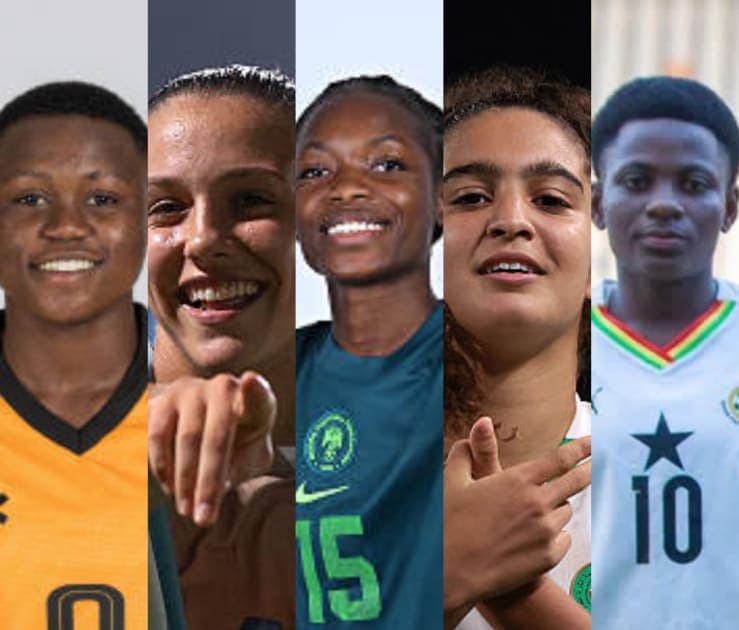
FIFA U-17 Women’s World Cup 2026: Complete Squad Lists for All 24 Teams
All 24 official squads for the FIFA U-17 Women’s World Cup Morocco 2026 in one place. Nigeria’s Flamingos squad is fully listed with jersey numbers. Complete squad lists for every team at the 2026 FIFA U-17 Women’s World Cup, including positions, numbers and head coaches. Nigeria Flamingos full squad for the FIFA U-17 Women’s World Cup 2026, plus all other teams’ official line-ups.

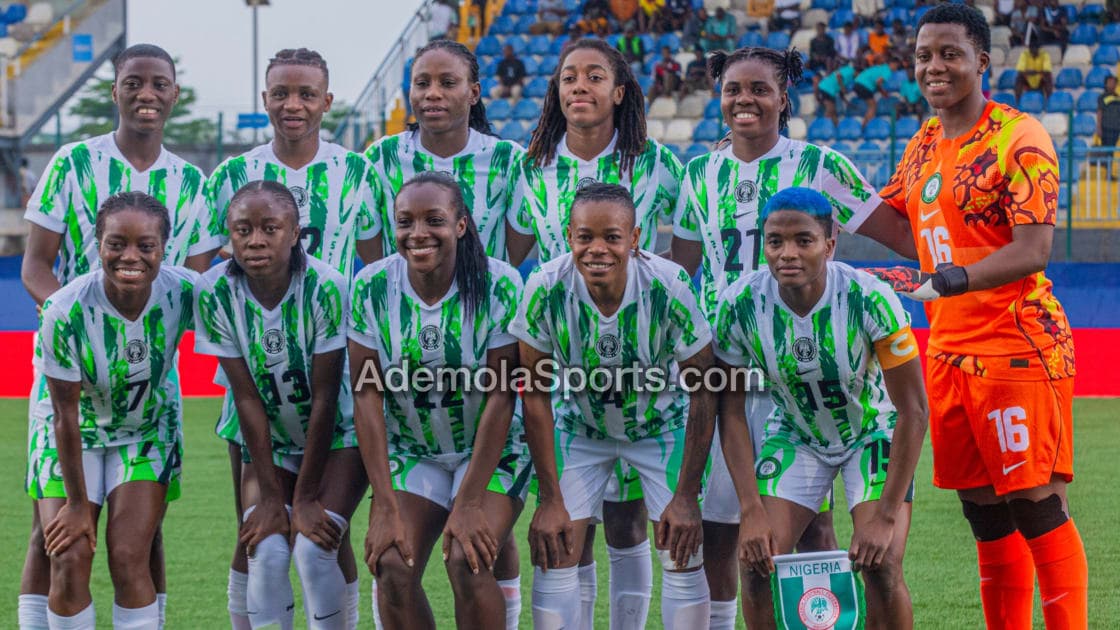
Super Falcons Beat Comoros 7-0 on Aggregate, Set Up Morocco Clash in LA 2028 Olympic Qualifiers
The Super Falcons advanced to the next round of the 2028 Olympic qualifiers with a 7-0 aggregate win over Comoros. Nigeria will face Morocco in the next round, scheduled for 23 February to 6 March 2027.
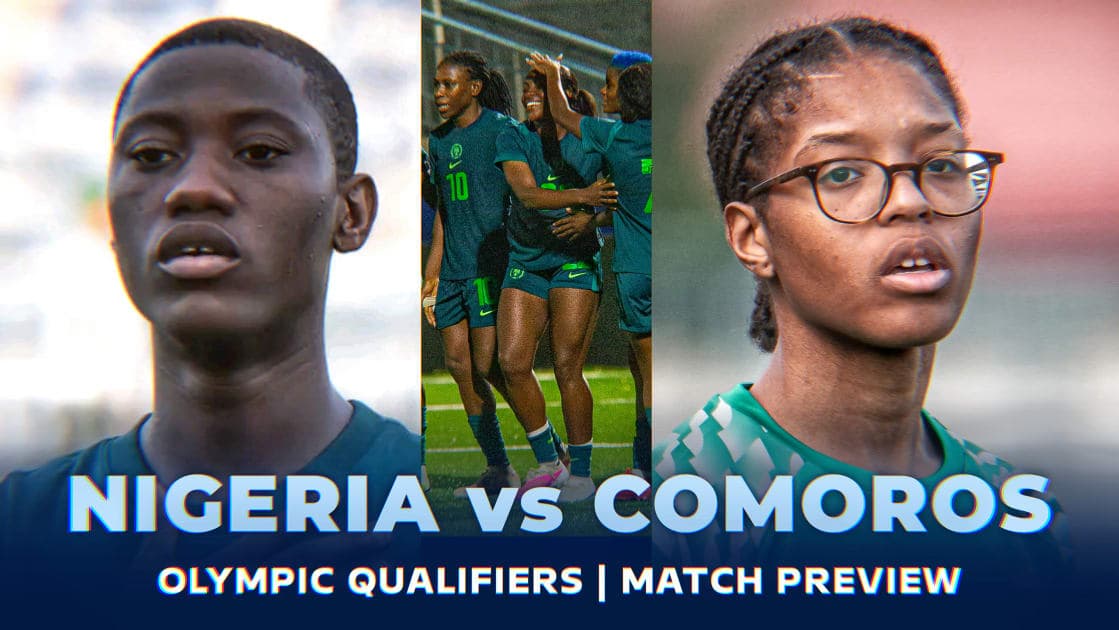
Nigeria vs Comoros (2nd Leg): Super Falcons 2028 Olympics Qualifiers Preview, Kick-off Time & How to Watch Live
The Super Falcons face Comoros in the second leg of their 2028 CAF Women’s Olympic qualifying second-round tie on Tuesday, 13 October, at Remo Stars Stadium in Ikenne. After winning the first leg 2-0 through goals from Michelle Alozie and Uchenna Kanu, Nigeria need to protect their advantage and secure progression to the next round.