
Brazil vs Nigeria: Flamingos Target Historic First FIFA U-17 Women's World Cup Final | Preview, Predicted XI, Key Players and How to Watch Live
Nigeria's Flamingos face unbeaten Brazil in the Morocco 2026 semi-finals as both nations chase their first-ever FIFA U-17 Women's World Cup final, with team news, predicted line-ups, key players and tactical analysis.

Nigeria's Flamingos face Brazil in the semi-finals of the FIFA U-17 Women's World Cup Morocco 2026 on Wednesday, 4 November, with both countries seeking to reach the final for the first time in the competition's history.
The encounter presents an opportunity for two nations that have previously reached the last four but have yet to cross the final hurdle. Brazil made their semi-final debut in 2025, while Nigeria reached the stage in 2022, eventually defeating Germany to claim the bronze medal.
Brazil enter Wednesday's encounter unbeaten, having recorded three wins and two draws across their five matches. Nigeria, meanwhile, have recovered from an opening defeat to Poland to record four consecutive victories, including an impressive 3-1 win over defending champions DPR Korea.
The match also presents an interesting contrast in playing styles and tournament statistics. Brazil have scored 17 goals but conceded nine, while Nigeria have scored nine and conceded four. The Flamingos' defensive organisation, led by goalkeeper Jane Ijirigho and a disciplined back line, could prove particularly important against Brazil's attacking quality.
The winner will secure a place in the final and move one step closer to a first world title at this level.
The semi-final will take place at the Mohammed VI Football Complex, Pitch 3, in Rabat, with kick-off scheduled for 6:00 pm Moroccan time (7:00 pm Nigerian time).
Brazil vs Nigeria: Match Details
Competition: FIFA U-17 Women's World Cup Morocco 2026
Round: Semi-finals, Match 50
Fixture: Brazil U17 vs Nigeria U17
Date: Wednesday, 4 November 2026
Kick-off: 6:00 pm Morocco time (7:00 pm WAT)
Venue: Mohammed VI Football Complex, Pitch 3, Rabat, Morocco
Brazil coach: Rilany
Nigeria coach: Akeem Busari
Match officials
Referee: Karen Hernandez
Assistant referee 1: Mayra Mora
Assistant referee 2: Karla Flores
Fourth official: Vimarest Diaz
Reserve referee: Melissa Nicholas
The winner will advance to the final on 7 November, while the losing team will contest the third-place match.
The Battle for a Historic First Final
Neither Brazil nor Nigeria has previously appeared in the final of the FIFA U-17 Women's World Cup.
Brazil's first semi-final appearance came at the 2025 edition, also hosted in Morocco. They lost 2-0 to eventual champions DPR Korea before finishing fourth after losing the third-place match.
Their return to the last four in 2026 gives Rilany's team another opportunity to improve on that performance and compete for the title.
Nigeria's only previous semi-final appearance came at India 2022. The Flamingos lost to Colombia in the semi-final before defeating Germany in the third-place match to secure the bronze medal.
That remains Nigeria's best finish at the competition.
Four years later, Akeem Busari's team have another opportunity to make history. Reaching the final would represent a new milestone for Nigerian women's youth football and give the Flamingos a chance to compete for their first world title at this level.
How Brazil Reached the Semi-Finals
Brazil have scored 17 goals and conceded nine across their five matches in Morocco, recording three wins and two draws to remain unbeaten.
They began their Group C campaign with a 6-2 victory over Canada on 18 October.
Canada took an early lead through Reed Tingley in the fourth minute, but Helena equalised in first-half stoppage time. Brazil then scored five times after the break through Nicolly Manuel, Marcela Bontorim, Greise Kelly, who scored twice, and Pepe.
Their second group match against Ghana ended in a 3-3 draw. Nicolly Manuel, Kaillany Ranifah and Indy scored for Brazil, while Rafia Osman, Gloria Ameaa and Priscilla Mensah found the net for Ghana.
Brazil returned to winning ways against Norway, securing a 3-0 victory to finish their group campaign. Carol Melo, Sofia Gamonal and Helena scored.
In the Round of 16, Brazil faced Poland in one of the tournament's most dramatic matches.
Greise Kelly, Marcela Bontorim and Pepe scored for Brazil, but Poland fought back through Nicola Gałuszka and Zofia Burzan to force a 3-3 draw.
Brazil eventually prevailed 8-7 in the penalty shoot-out, with goalkeeper Nathy saving two Polish attempts. Sofia Gamonal converted the decisive penalty.
Their quarter-final against China PR presented another difficult challenge.
China took the lead through Wu Yichen in the 42nd minute, but Helena equalised just 42 seconds after the restart. The forward then scored again in the 87th minute to complete a 2-1 comeback victory and send Brazil into a second consecutive semi-final.
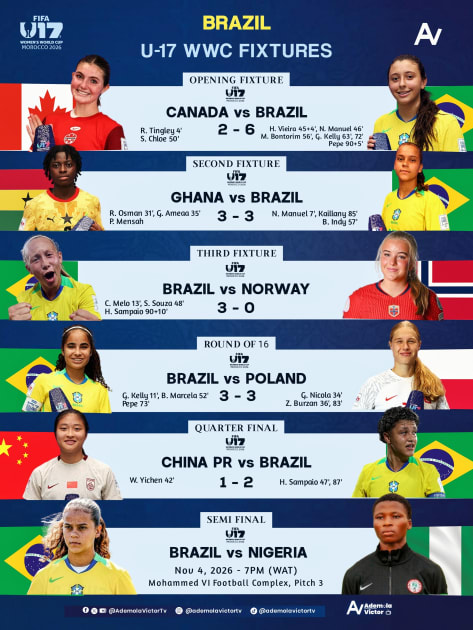
The result demonstrated Brazil's ability to recover from difficult situations, although their defensive record suggests that Nigeria could find opportunities if they apply pressure effectively.
How Nigeria Reached the Semi-Finals
Nigeria's route to the last four began with a 2-1 defeat to Poland in their opening Group B match on 17 October.
Wiktoria Skrzypczak converted a penalty in the 33rd minute before Natalia Skrok doubled Poland's advantage in the 65th minute. Oluebube Umejiaku pulled one back for Nigeria in the 79th minute, but the Flamingos could not find an equaliser.
They responded with a 2-0 victory over Puerto Rico. Oluwakemi Adegbuyi opened the scoring in the 25th minute, while Precious Oscar added a second in stoppage time.
Nigeria then produced one of the tournament's most significant group-stage results by defeating defending champions DPR Korea 3-1.
Adegbuyi opened the scoring in the 15th minute, Umejiaku doubled the lead in the 38th minute, and Kanyinsola Yusuf added a third in the 56th minute. Yu Jong-hyang converted a penalty for DPR Korea in the 82nd minute.
The victory ended DPR Korea's 18-match unbeaten run in regulation time at the FIFA U-17 Women's World Cup, dating back to their 4-1 defeat to Germany on 14 November 2018.
The Flamingos finished second in Group B and progressed to the knockout stage.
Nigeria continued their campaign with a 2-1 victory over Mexico in the Round of 16. Umejiaku scored in the 40th minute before Mary Dunstan doubled Nigeria's lead in the 71st minute. Emily Delgado scored a late consolation for Mexico.
The quarter-final against Venezuela on 1 November presented a different challenge.
Nigeria created opportunities but struggled to find a breakthrough against a determined Venezuelan defence and goalkeeper Valeria Rebanales.
With the match seemingly heading towards a penalty shoot-out, Azeezat Oduntan converted an 89th-minute penalty after Umejiaku was fouled inside the box.
The 1-0 victory secured Nigeria's second semi-final appearance in the competition's history.
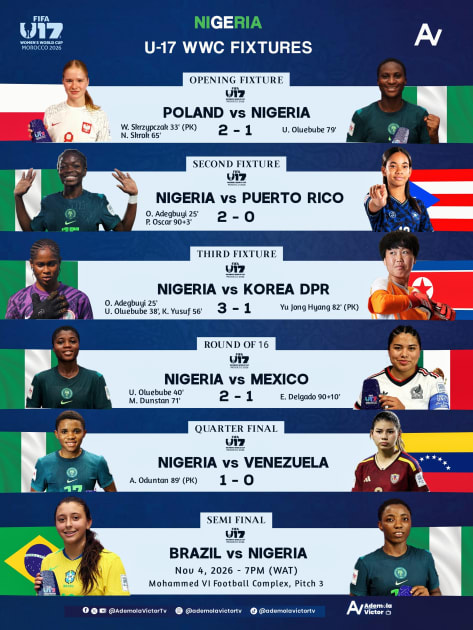
Since their opening defeat to Poland, the Flamingos have won four consecutive matches.
Four Nigerian Players to Watch
1. Jane Ijirigho: The Last Line of Defence
Nigeria's goalkeeper Jane Ijirigho has been an important contributor to the Flamingos' progress in Morocco.
The goalkeeper has made 16 saves in the competition, with particularly important performances in the victories over Puerto Rico and Mexico.
Her height, reach and ability to react quickly have provided Nigeria with an important defensive foundation.
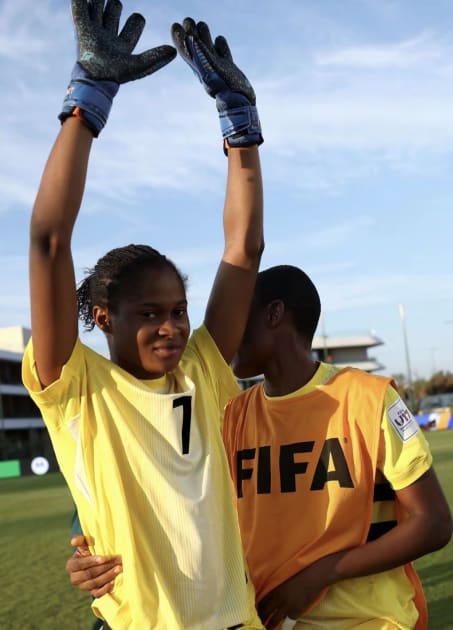
Against Brazil, Ijirigho will face a team that has scored 17 goals in five matches. Her positioning, communication with the defenders and ability to deal with crosses and shots from distance could become decisive.
However, Nigeria's defensive record should not be attributed to the goalkeeper alone. The organisation of the back line and the team's collective work without the ball have also played significant roles.
2. Oluebube Umejiaku: Nigeria's Attacking Threat
Oluebube Umejiaku has been one of Nigeria's most important attacking players at Morocco 2026.
The forward has scored three goals in the competition, finding the net against Poland, DPR Korea and Mexico.
Her movement, ability to attack spaces and willingness to challenge defenders have made her an important outlet for Busari's team.
She also played a decisive role in the quarter-final against Venezuela, winning the late penalty that Azeezat Oduntan converted to secure Nigeria's place in the semi-finals.
Her contribution goes beyond scoring. Umejiaku's ability to stretch opposition defences and create opportunities for other attackers could be important against Brazil.
3. Oluwakemi Adegbuyi: A Reliable Attacking Option
Oluwakemi Adegbuyi has also made an important contribution to Nigeria's campaign.
The forward scored against Puerto Rico and DPR Korea, giving her two goals in the tournament.
Her goal against DPR Korea was particularly significant, as it gave Nigeria an early advantage against the defending champions.
Adegbuyi's movement and ability to create opportunities in the final third provide another attacking dimension for the Flamingos.
Brazil's defenders will need to monitor both her and Umejiaku rather than concentrate their attention on one forward.
4. Favour Nkwocha: The Midfield Engine
Favour Nkwocha is another Nigerian player who could have a significant influence on Wednesday's encounter.
The midfielder was named Player of the Match following Nigeria's 1-0 quarter-final victory over Venezuela.
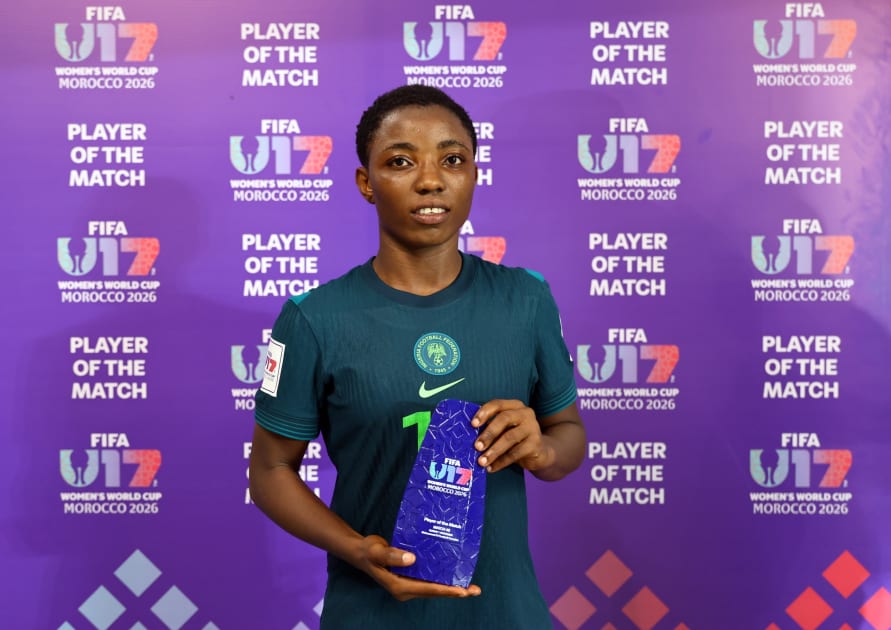
Her performance was particularly important in a match where Nigeria needed patience, midfield discipline and the ability to maintain pressure against a compact opponent.
Nkwocha's role will be even more important against Brazil, whose attacking players are capable of combining quickly and exploiting spaces between the lines.
Her ability to win challenges, recover possession and support Nigeria's attacking transitions could help the Flamingos disrupt Brazil's rhythm.
Brazil's Attacking Threat: Greise Kelly and Helena
Brazil's attacking strength will be one of Nigeria's biggest challenges, and Greise Kelly has been among the standout performers at Morocco 2026.
The forward has scored three goals and provided five assists, giving her eight direct goal contributions. Her five assists are the highest recorded by any player at the tournament.
FIFA's statistical analysis has highlighted her involvement in 47.06 per cent of Brazil's goals, underlining her importance to the team's attacking play.
Greise was influential in the quarter-final against China PR, assisting Helena's equaliser and contributing to the move that produced the winning goal.
Her dribbling ability, creativity and delivery make her a player Nigeria's defence will need to monitor closely.
Helena is another important attacking option. She scored both goals in Brazil's quarter-final victory over China PR, including the equaliser just 42 seconds into the second half.
Brazil's attacking threat also comes from several other players, including Marcela Bontorim, Nicolly Manuel and Pepe.
The Seleção have demonstrated that their attacking threat does not depend on one individual.
Nigeria's Defensive Strength Against Brazil's Attacking Power
One of the most interesting statistical contrasts ahead of this semi-final is the difference between the teams' attacking and defensive records.
Brazil have scored 17 goals and conceded nine across their five matches.
Nigeria have scored nine and conceded four.
The difference is significant.
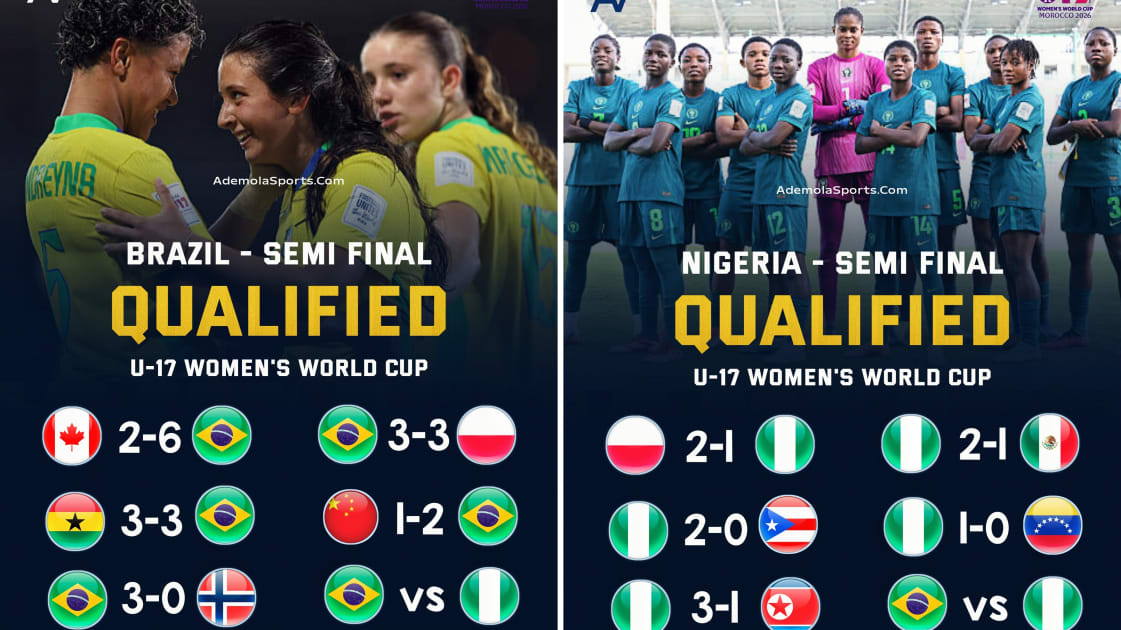
Brazil's attacking output is considerably higher, but they have also allowed opponents to score more frequently. Their matches against Canada, Ghana and Poland demonstrated that their defensive structure can be exposed.
Nigeria, meanwhile, have relied on a more disciplined defensive approach, with Jane Ijirigho and the defenders providing an important foundation.
The Flamingos have conceded two goals against Poland, one against DPR Korea and one against Mexico. Two of the four goals came from penalties.
Their defensive organisation will therefore be a major factor against Brazil.
Nigeria cannot afford to allow Greise Kelly and Helena too much space around the penalty area. They must also remain compact when Brazil move the ball from wide areas into central attacking positions.
The challenge will be maintaining that organisation without sacrificing the ability to press and attack.
What the Coaches Have Said
Brazil coach Rilany has already identified Nigeria's physical strength and endurance as major challenges.
Speaking to FIFA after Brazil's quarter-final victory over China PR, she said:
"Nigeria are a very physical team. By the 90th minute, they'll probably still be running as if it were the fifth."
Rilany added that Brazil would need to be strategic in finding ways to hurt the Flamingos.
The Brazilian coach also described her team's mentality as one of its greatest strengths, a quality that has helped them recover from difficult moments during the competition.
For Nigeria, reaching the semi-finals is already a significant achievement, but coach Akeem Busari has made it clear that the team wants to go further.
Following the quarter-final victory over Venezuela, Busari told FIFA:
"We gave everything on the pitch tonight. We wanted to keep the ball and play our game, but we made some mistakes. We kept pushing until the end."
He described reaching the semi-finals as a dream come true and said the team wanted to make the country proud in their next match.
The comments from both coaches point towards a contest in which Brazil's attacking quality and resilience will meet Nigeria's physical strength, defensive organisation and determination.
Brazil vs Nigeria: Head-to-Head Record
Brazil and Nigeria have met twice at the FIFA U-17 Women's World Cup, with Brazil recording one victory and one draw.
Their first meeting took place on 5 November 2008 and ended in a 2-2 draw.
Ketlen gave Brazil the lead in the 35th minute before Orji equalised for Nigeria in the 43rd minute. Rafaelle restored Brazil's advantage in the 71st minute, but Okoronkwo scored in the 75th minute to secure a draw for the Flamingos.
The teams met again on 1 October 2016, when Brazil recorded a 1-0 victory through Micaelly's 42nd-minute goal.
Brazil therefore remain unbeaten against Nigeria in their two previous meetings at the competition.
Wednesday's semi-final will be their third encounter at the FIFA U-17 Women's World Cup and their first meeting at this stage.
Tactical Preview: Three Battles That Could Decide the Semi-Final
1. Greise Kelly Against Nigeria's Defensive Organisation
One of the most important battles will be Nigeria's ability to limit the influence of Greise Kelly.
Her five assists and three goals demonstrate how important she is to Brazil's attacking structure.
Nigeria will need to restrict the space available to her, prevent her from turning comfortably and limit the opportunities she has to deliver into dangerous areas.
The defenders and midfielders must work together to avoid leaving her isolated against one player.
2. Brazil's Attacking Movement Against Nigeria's Defensive Organisation
Brazil have demonstrated that they can create opportunities through several attacking players.
Helena's movement, Marcela Bontorim's attacking contribution and Greise Kelly's creativity give Rilany different ways to threaten opposition defences.
Nigeria must maintain their defensive concentration, particularly when Brazil move the ball quickly around the penalty area.
The Flamingos' back line and goalkeeper will need to communicate effectively and avoid unnecessary fouls in dangerous areas.
3. Nigeria's Physical Intensity Against Brazil's Technical Quality
Rilany's comments about Nigeria's physical strength suggest that Brazil are already aware of the challenge they face.
The Flamingos could use their energy and pressing to disrupt Brazil's passing rhythm, particularly if they prevent the Seleção from establishing control in midfield.
Favour Nkwocha, Mary Dunstan, Tosin Rafiu and the other players will have important roles in winning possession and helping Nigeria transition quickly into attack.
However, the Flamingos must balance their intensity with discipline. Pressing without maintaining defensive cover could leave spaces for Brazil's attackers to exploit.
Predicted Starting XI: Brazil vs Nigeria
The following are projected line-ups based on recent team selections, player roles and performances. They are not confirmed starting teams.
Brazil Predicted XI
Formation: 4-3-3
Nathy; Andreyna, Yasmin Queiroz, Isa Rech, Sarah Coelho; Carol Melo, Sofia Gamonal, Greise Kelly; Pepe, Helena, Marcela Bontorim.
Coach: Rilany
Brazil's predicted selection draws heavily from the team that started against China PR in the quarter-finals.
Helena, Greise Kelly and Marcela Bontorim are expected to carry significant attacking responsibility, while Nathy remains the likely choice in goal.
Nigeria Predicted XI
Formation: 4-1-2-3
Jane Ijirigho; Azeezat Oduntan, Ohunene Sunday, Esther Stephen, Kanyinsola Yusuf; Mary Dunstan; Favour Nkwocha, Tosin Rafiu; Queen Joseph, Oluwakemi Adegbuyi, Oluebube Umejiaku.
Coach: Akeem Busari
Busari retained the same starting XI for the quarter-final against Venezuela that had started the Round of 16 match against Mexico.
Another unchanged selection is therefore a reasonable prediction for the semi-final, although the coach could still make tactical adjustments depending on Brazil's attacking approach.
Prediction: Brazil vs Nigeria
This is a difficult semi-final to call because both teams have demonstrated qualities that could take them into the final.
Brazil have the stronger attacking numbers, with 17 goals in five matches. Greise Kelly's creativity and Helena's finishing give them considerable attacking options.
However, their nine goals conceded suggest that Nigeria could find opportunities if they attack with confidence and make effective use of their chances.
The Flamingos have demonstrated defensive resilience throughout the tournament. Jane Ijirigho and the defenders have provided an important foundation, while the midfield has helped Nigeria maintain their organisation against different opponents.
Their victories over defending champions DPR Korea and Venezuela also demonstrate that they can compete against teams with different tactical approaches.
The key for Busari's team will be maintaining defensive discipline while making effective use of their opportunities in the final third.
Brazil's attacking quality means Nigeria cannot afford to lose concentration, but the Flamingos have shown that they can compete against some of the strongest teams in the tournament.
Brazil's unbeaten run and experience from last year's semi-final make them dangerous opponents. Nevertheless, Nigeria have the confidence, defensive organisation and momentum to make this a closely contested encounter.
Prediction: Nigeria 3-1 Brazil.
Flamingos to edge a closely contested semi-final and reach their first FIFA U-17 Women's World Cup final.
The Flamingos have already made history by returning to the semi-finals. They now have an opportunity to go one step further and compete for the world title.
How to Watch Brazil vs Nigeria U17 Live
The FIFA U-17 Women's World Cup semi-final between Brazil and Nigeria will take place on Wednesday, 4 November 2026.
Kick-off: 6:00 pm Moroccan time (7:00 pm Nigerian time).
Fans can check the official FIFA+ platform for live-streaming availability in their territory. DAZN may also carry the competition in selected regions.
Viewers should confirm local broadcast availability before kick-off.
Follow the Victor Ademola WhatsApp channel and AdemolaSports for updates, match coverage and reports from the FIFA U-17 Women's World Cup Morocco 2026.
#AdemolaSports
Enjoyed this story?
Reporting like this is funded by readers. A one-off gift keeps it coming.
Keep reading
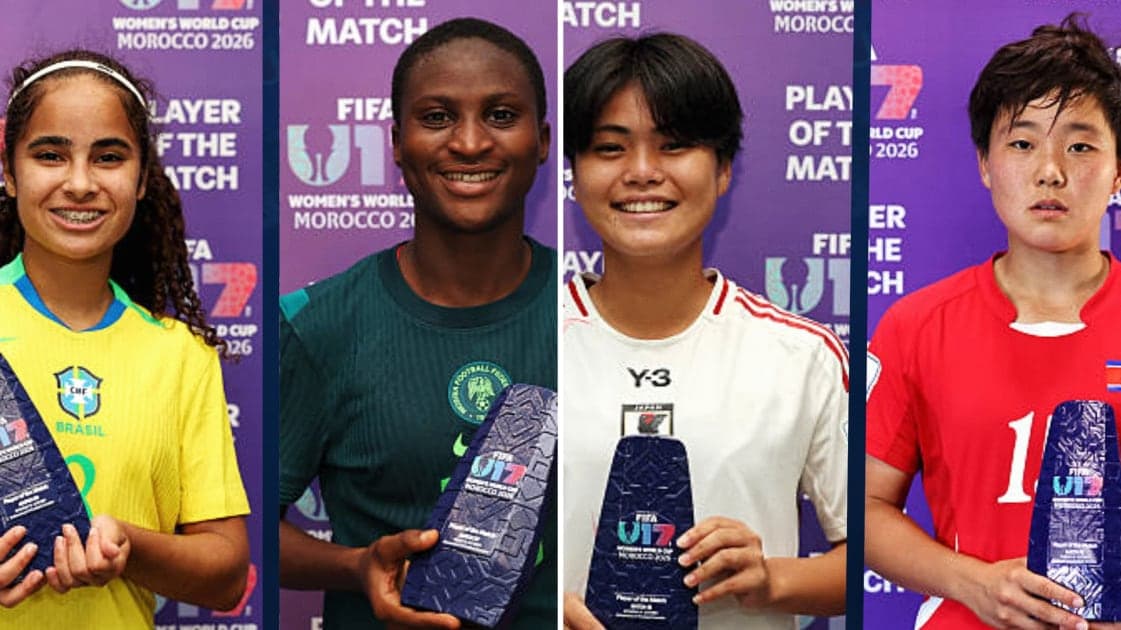
FIFA U-17 Women’s World Cup 2026: Japan, DPR Korea, Brazil and Nigeria Flamingos Reach Semi-finals
Japan, four-time champions DPR Korea, Brazil and Nigeria have reached the semi-finals of the FIFA U-17 Women’s World Cup Morocco 2026. Here is how each team reached the last four and their best performances in the tournament’s history.

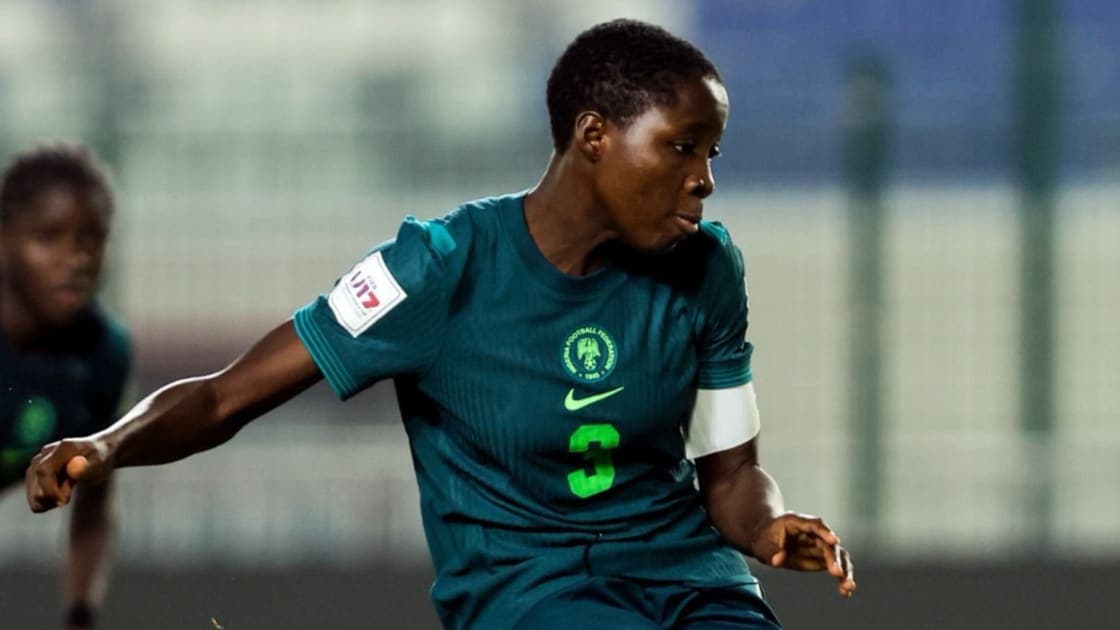
Nigeria Flamingos beat Venezuela with late Oduntan penalty to reach 2026 FIFA U-17 World Cup semi-finals
Nigeria’s Flamingos defeated Venezuela 1-0 in the quarter-finals, recording a historic fourth victory in regular time at a single edition of the FIFA U-17 Women’s World Cup. They will face Brazil on 4 November for a place in the final.
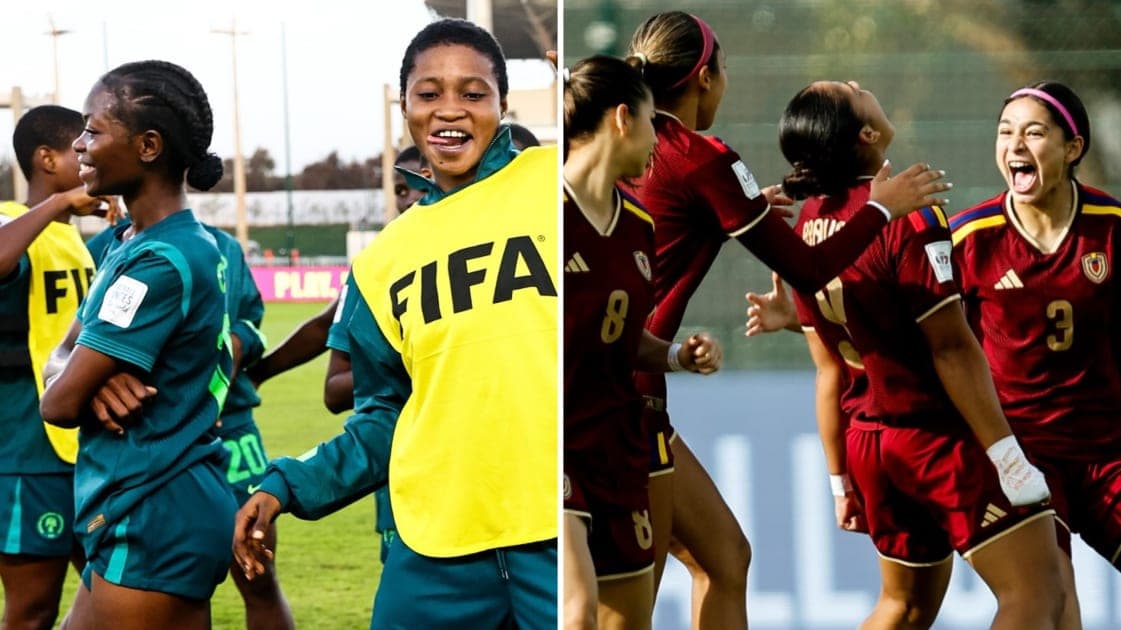
Nigeria vs Venezuela: Flamingos Name Starting XI for 2026 FIFA U-17 World Cup Quarter-Final
Nigeria face Venezuela in the quarter-finals of the 2026 FIFA U-17 Women’s World Cup in Morocco, with a semi-final place at stake. Coach Akeem Busari has named the same starting XI that defeated Mexico 2-1, while Venezuela coach Dayana Frias has made changes after their 1-0 win over Germany. The winner will face either China PR or Brazil in the semi-finals.